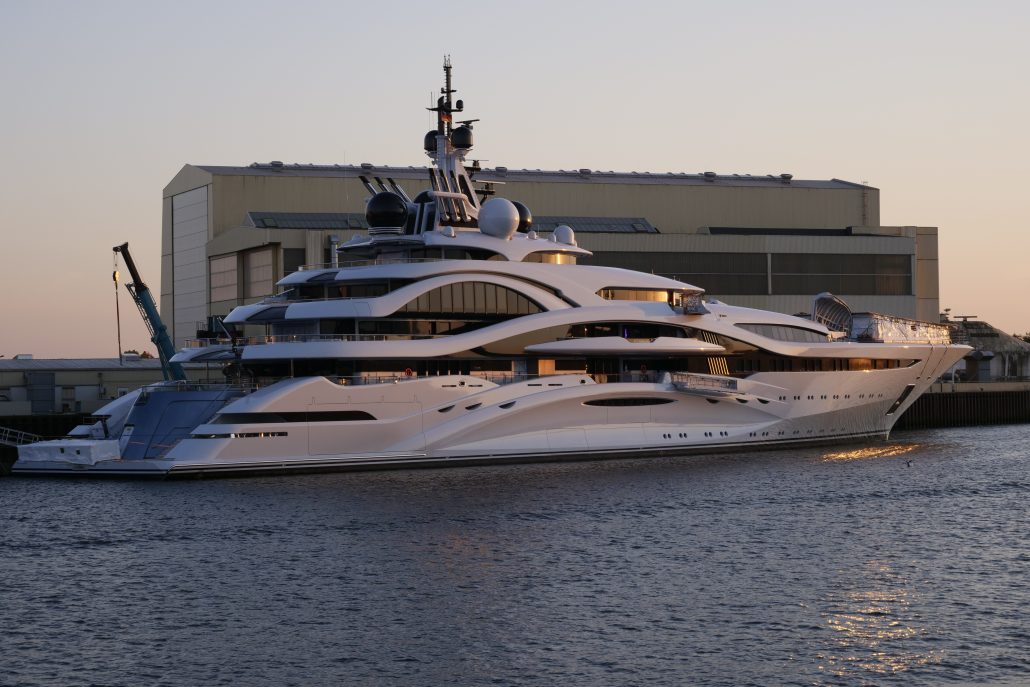
Water Sources and Onboard Contaminants
The quality of your onboard drinking water depends heavily on where it originates. Boat and yacht owners typically draw water from two primary sources: municipal dock taps and raw seawater converted through desalination watermakers. Both options introduce distinct water quality challenges that require dedicated marine water filtration.
When taking on water from marinas across South Florida, you are relying on public utility infrastructure. For instance, municipal entities like the Miami-Dade Water Supply and Treatment department treat source water to meet strict drinking standards. However, once that water exits the dock spigot, it travels through flexible supply hoses that often sit under intense Florida sunlight. This environment encourages biofouling, warm hose leaching, and sediment entry.
Inside your vessel, stored water faces additional contamination risks:
- Tank Sediments and Scaling: Over time, unlined aluminum, fiberglass, or stainless-steel holding tanks accumulate silt, rust, and mineral scale.
- Microbial Growth and Cysts: Stagnant water inside warm tanks creates an ideal breeding ground for bacteria and protozoan cysts such as Cryptosporidium and Giardia.
- Chemical Off-Gassing and Odors: Standard tap water contains disinfectant chlorine. When locked inside dark holding tanks, chlorine degrades, generating unpleasant sulfur odors and off-tastes.
- Heavy Metals and Microplastics: Aging dockside plumbing and marine hose materials can leach trace lead, heavy metals, and synthetic microplastics directly into your potable water lines.
Raw ocean seawater brings a completely different set of filtration requirements. Desalination systems must deal with heavy suspended solids, organic proteins, sand, and high total dissolved solids (TDS) before producing safe drinking water.
Essential Types of Marine Water Filtration Systems
Achieving clean, safe water aboard a vessel requires matching specific filter media to your target contaminants. Most modern vessel systems rely on a multi-stage approach, combining physical trapping, chemical absorption, and high-pressure membrane separation.
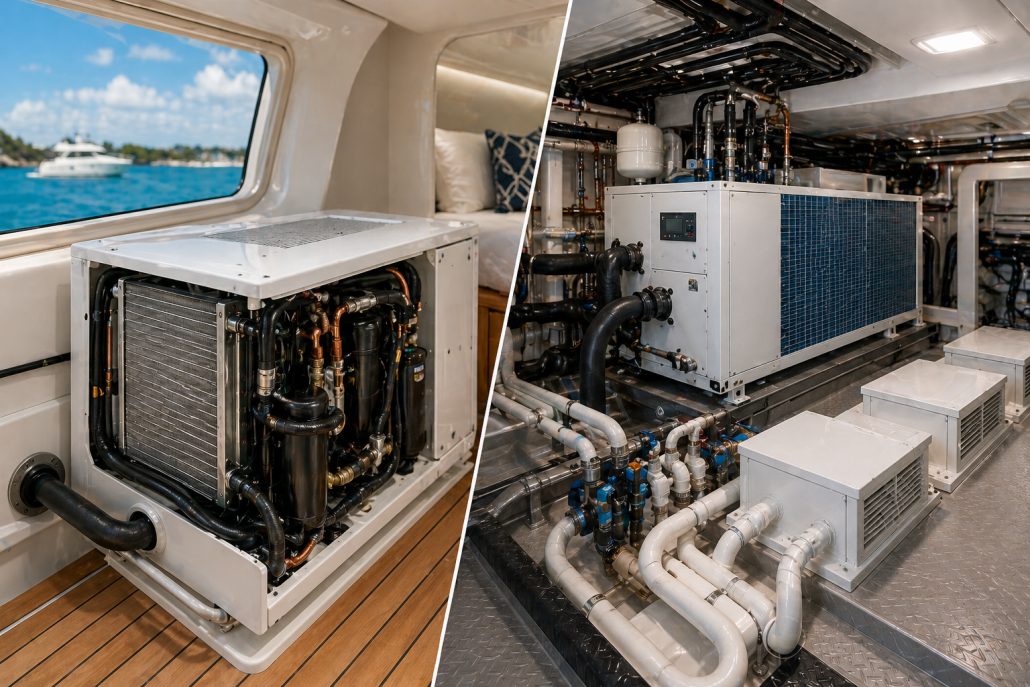
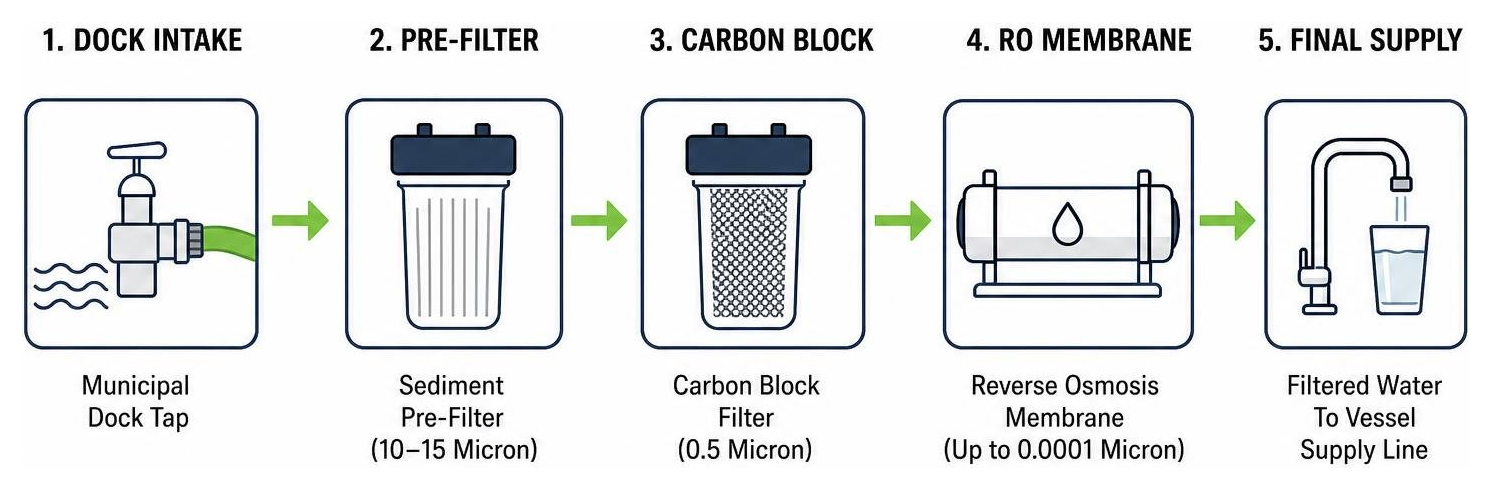
- Sediment Pre-Filters: These are the first line of defense. Standard 10-micron to 15-micron pleated or wound cartridges capture coarse sand, rust scales, and suspended solids before they can clog downstream filters or damage freshwater pumps.
- Carbon Block Filters: Powdered activated carbon compressed into a solid block forms an exceptional secondary barrier. A 0.5-micron carbon block cartridge removes chlorine, volatile chemical compounds, unpleasant tastes, and microscopic cysts.
- Reverse Osmosis (RO) Membranes: RO systems force water under high pressure through semi-permeable membranes. This process filters down to 0.0001 microns, removing up to 99% of dissolved salts, heavy metals, viruses, and organic compounds. For an in-depth breakdown of how membrane separation functions onboard, explore our guide on Demystifying the Reverse Osmosis Water Filter for Beginners.
Point-of-Use vs. Whole-Boat Marine Water Filtration
Choosing between a single point-of-use (POU) filter and a whole-boat filtration configuration comes down to your daily water demand, vessel plumbing capacity, and budget.
| Feature | Point-of-Use (POU) Filtration | Whole-Boat Filtration Systems |
|---|---|---|
| Location | Installed beneath specific taps (e.g., galley sink) | Main supply line post-pump or post-tank |
| Target Flow Rate | 0.7 to 1.5 Gallons Per Minute (GPM) | 5.0 to 10.0+ Gallons Per Minute (GPM) |
| Primary Focus | Drinking, cooking, and ice making | All taps, showers, wash-downs, and appliances |
| Pore Rating | Very fine (0.5 micron carbon blocks) | Coarser multi-stage (5 to 10 micron pre-filters) |
| Plumbing Impact | Minimal line pressure impact across vessel | Requires robust pump to maintain system pressure |
A single-tap 0.5-micron carbon filter cartridge (such as a standard 2×10 inch unit) restricts flow to approximately 0.7 to 1.5 GPM at 35 psi—similar to a residential refrigerator dispenser. This makes fine carbon blocks ideal for dedicated drinking spouts, while whole-boat systems protect showers and wash-down outlets using higher-flow sediment stages.
Advanced Desalination and Marine Water Filtration Solutions
For long-range cruisers and yachts, relying solely on dock water is rarely enough. Advanced reverse osmosis watermakers and dockside purifiers allow vessels to generate ultra-pure water anywhere.
Systems like the Spot Zero Combination System combine offshore seawater desalination with high-output dockside purification in a single, compact double-pass RO design. This process yields ultra-pure water with fewer than 20 PPM Total Dissolved Solids (TDS), completely eliminating spot-causing minerals for vessel wash-downs while guaranteeing pure drinking water.
Similar multi-stage technology is utilized in military field operations, as documented in the Tactical Water Purification System Manual, where raw seawater passes through cyclone sand separators and 0.2-micron microfilters prior to RO separation. To evaluate options for your yacht, read our detailed comparison on No More Dock Runs: The Ultimate Yacht Water Maker Comparison.
Certifications, Housing Types, and Common Mistakes to Avoid
Selecting high-quality marine water filtration equipment requires an understanding of independent testing standards and hardware durability.
Understanding NSF Certifications
- NSF-42 (Aesthetic Effects): Covers non-health claims, verifying that the filter removes aesthetic contaminants like chlorine taste, odor, and particulate matter.
- NSF-53 (Health Effects): Verifies that the filter reduces specific health-related contaminants, including lead, heavy metals, volatile organic compounds (VOCs), and biological cysts like Cryptosporidium.
- NSF-P231 (Microbiological Purifiers): The gold standard for drinking safety. Filters with this rating prove complete removal of bacteria, viruses, and cysts from unsafe water without chemical treatment.
Housing Selection and Component Hazards
To maintain system integrity in marine environments, avoid these common setup mistakes:
- Avoid Clear Filter Housings: Clear plastic canisters allow ambient UV light to penetrate the housing, accelerating algae blooms and biological growth inside the filter. Clear housings are also prone to material fatigue and cracking under pressure surges. Always install heavy-duty opaque housings.
- Skip Granular Activated Carbon (GAC): Loose GAC filters tend to shift under boat motion, creating channels where raw water passes un-filtered. They also shed carbon fines and can foster internal bacterial colonies if left unused. Use solid carbon block cartridges instead.
- Avoid Pressure Relief Buttons: Filter housings featuring red pressure-relief buttons introduce a potential point of failure. Salt air degrades internal steel springs and rubber seals, increasing the risk of high-pressure leaks in your bilge.
System Maintenance, Installation, and Winterization Best Practices
Proper installation and routine service are essential to ensure consistent water quality and prevent plumbing leaks aboard your vessel.
Installation Best Practices
- Use Pressure Regulators: Always install a brass marine pressure regulator on your dockside hose connection. Municipal supply lines can spike above 80 psi, which can blow internal marine plumbing fittings.
- Install Upstream Pre-Filters: Place a 10-micron sediment pre-filter cartridge upstream of fine carbon blocks or RO systems to protect delicate media from heavy particulate loading.
- Secure Mounting Brackets: Marine filter sumps must be secured to solid bulkheads using corrosion-resistant V4A stainless-steel hardware to handle engine vibration and sea motion.
Maintenance and Replacement Schedule
To keep your system running reliably, follow these service guidelines:
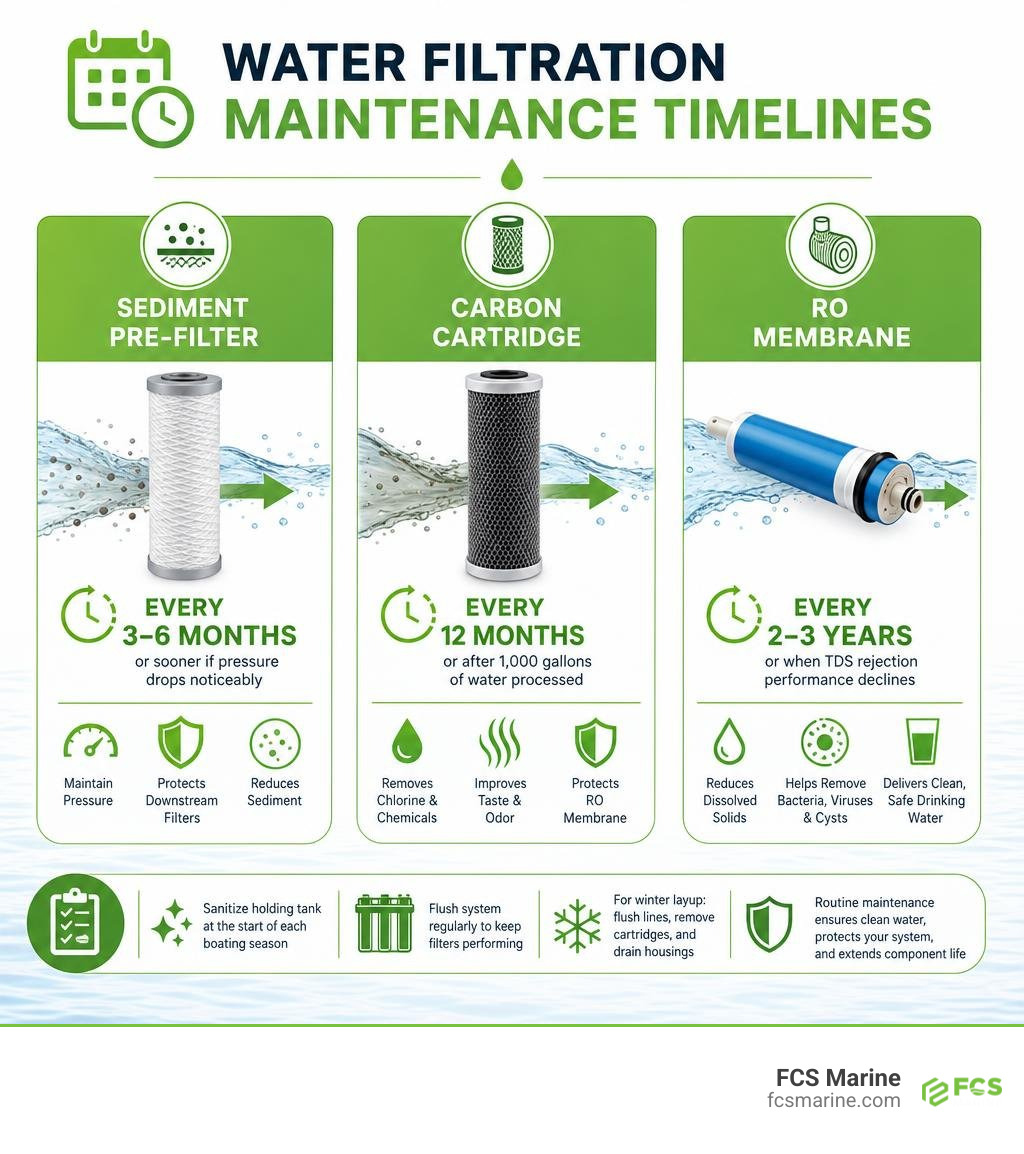
- Carbon Cartridges: Replace carbon block filters annually or after processing 1,000 gallons of water. Over-exposure to chlorine eventually degrades carbon pore structures, reducing filtration effectiveness.
- Sediment Pre-Filters: Swap 10-micron sediment filters every 3 to 6 months depending on local dock water clarity. Replace immediately if you notice a significant drop in tap pressure.
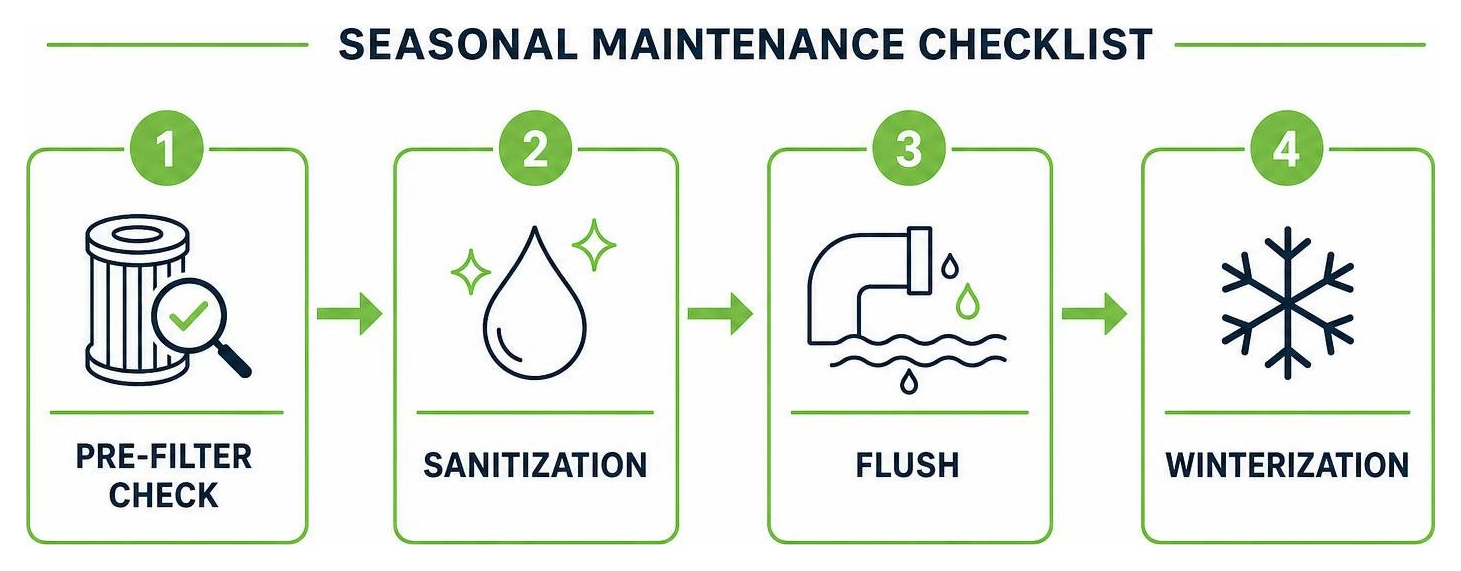
- Holding Tank Sanitization: Clean and disinfect onboard freshwater tanks at the start of each boating season using approved tank sanitizing solutions before installing fresh filter cartridges.
- Off-Season Protection: When layup is required, flush all water lines, remove filter cartridges, and thoroughly drain housing sumps to prevent freeze-cracking or stagnant biological growth.
For professional assistance with complete plumbing flushes, membrane cleaning, and cartridge replacement, you can rely on our specialized Onboard Water System Service.
Selecting the Right Marine Water Filtration for South Florida Boating
Operating a boat or yacht in South Florida presents unique challenges. High heat, heavy humidity, and elevated water temperatures accelerate organic growth inside holding tanks and plumbing lines. Marinas across Fort Lauderdale, Miami-Dade, Palm Beach, Broward, Martin, and St. Lucie counties see intense seasonal boating, placing heavy demands on onboard filtration setups.
At FCS Marine, we understand how critical reliable potable water is to vessel comfort and safety. As a family-owned South Florida marine service provider, our mobile marine service brings expert technical support directly to your marina berth, boat yard, or private dock. You do not need to move your vessel to receive expert attention.
In addition to water system care, our technicians ensure complete onboard comfort across all key utility systems:
- Diagnosing and repairing vessel cooling issues with expert Marine Air Conditioning Services
- Servicing galley systems through professional Marine Refrigeration Repair
- Stopping cabin moisture and condensation with targeted Yacht Insulation Services
- Eliminating mildew and airborne spores with comprehensive Yacht Mold Remediation
Frequently Asked Questions About Onboard Water Quality
What is the difference between NSF-42 and NSF-53 marine filters?
NSF-42 certified filters target aesthetic qualities, reducing chlorine taste, sulfur odors, and coarse sediment. NSF-53 certified filters meet higher health standards, independently verifying the physical removal of harmful health hazards, including heavy metals, volatile organic chemicals, and biological cysts like Cryptosporidium.
How often should boat water filter cartridges be replaced?
Standard carbon block and sediment filter cartridges should be replaced every 12 months or after processing approximately 1,000 gallons of water. If you notice an unexpected pressure drop at your galley tap, replace the sediment pre-filter cartridge immediately.
Why should clear filter housings be avoided on boats?
Clear housings allow ambient sunlight and interior lighting to penetrate the canister, encouraging rapid algae blooms inside the filter. Additionally, clear plastic becomes brittle over time when exposed to UV light and pressure cycles, making heavy-duty opaque sumps the safer choice for marine vessels.
Contact FCS Marine for Professional Marine Service
Whether you need routine filter cartridge replacements, dockside purification tuning, watermaker membrane cleaning, or complete system overhauls, FCS Marine is ready to assist. We deliver expert mobile marine service directly to your location across Fort Lauderdale, Pompano Beach, Miami, Palm Beach, and surrounding coastal communities.
Keep your onboard systems performing reliably all year round. Schedule Marine Water System Service with FCS Marine today for on-site vessel care.