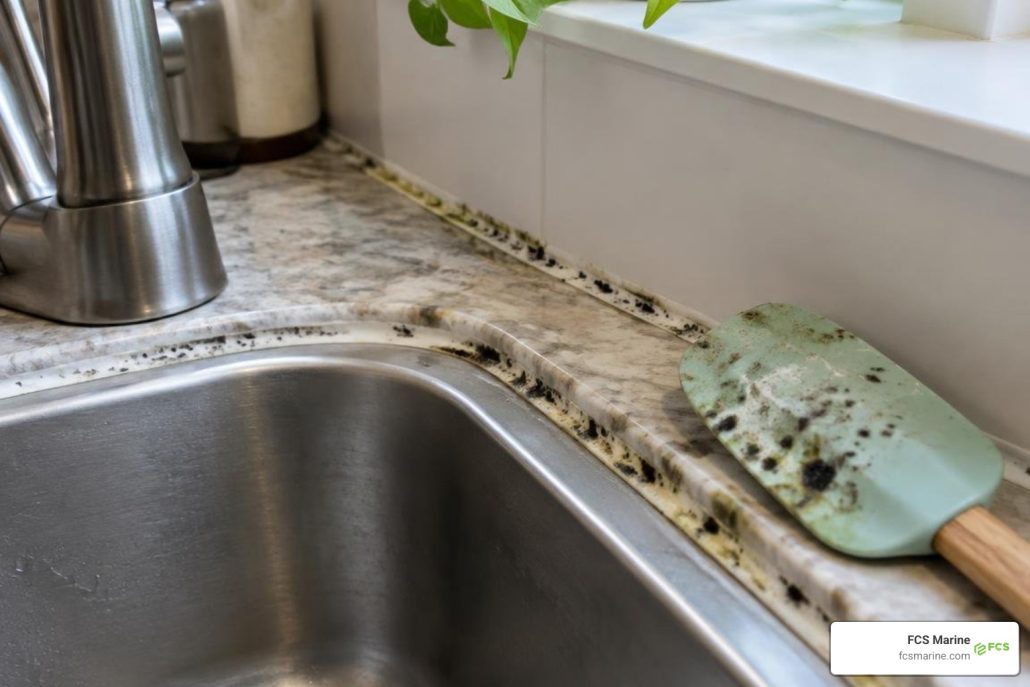
The Best Way to Remove Mold From Silicone
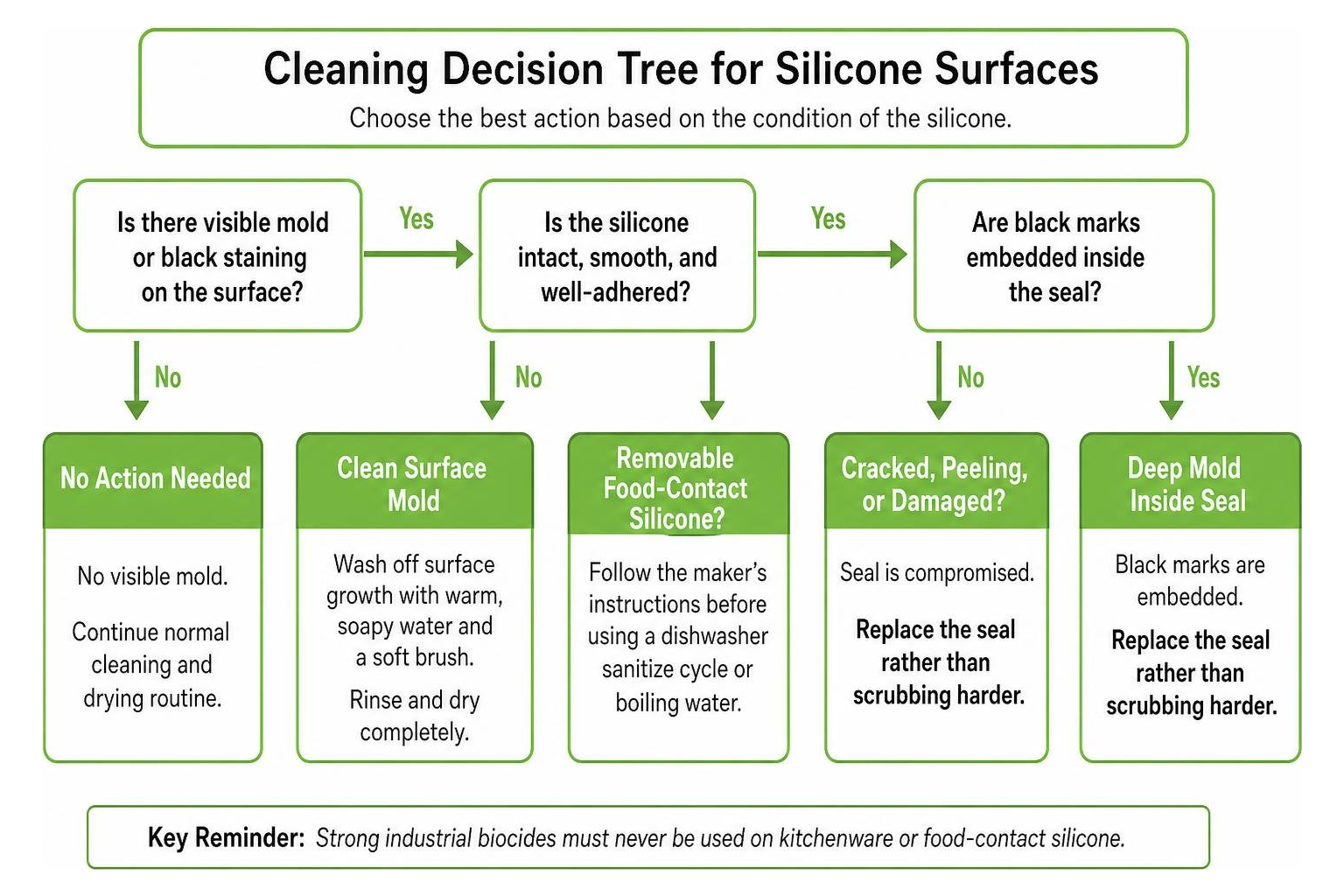
The best way to remove mold from silicone is to wash off surface growth with warm, soapy water and a soft brush, then rinse and dry the item completely. For removable food-contact silicone, follow the maker’s instructions before using a dishwasher sanitize cycle or boiling water. If black marks remain inside a cracked or peeling seal, replace the seal rather than scrubbing harder.
On a South Florida yacht, damp shower joints and container gaskets can stay wet between uses. FCS Marine is a family-owned company that provides on-site marine mold cleaning to help boat owners address these problem areas.
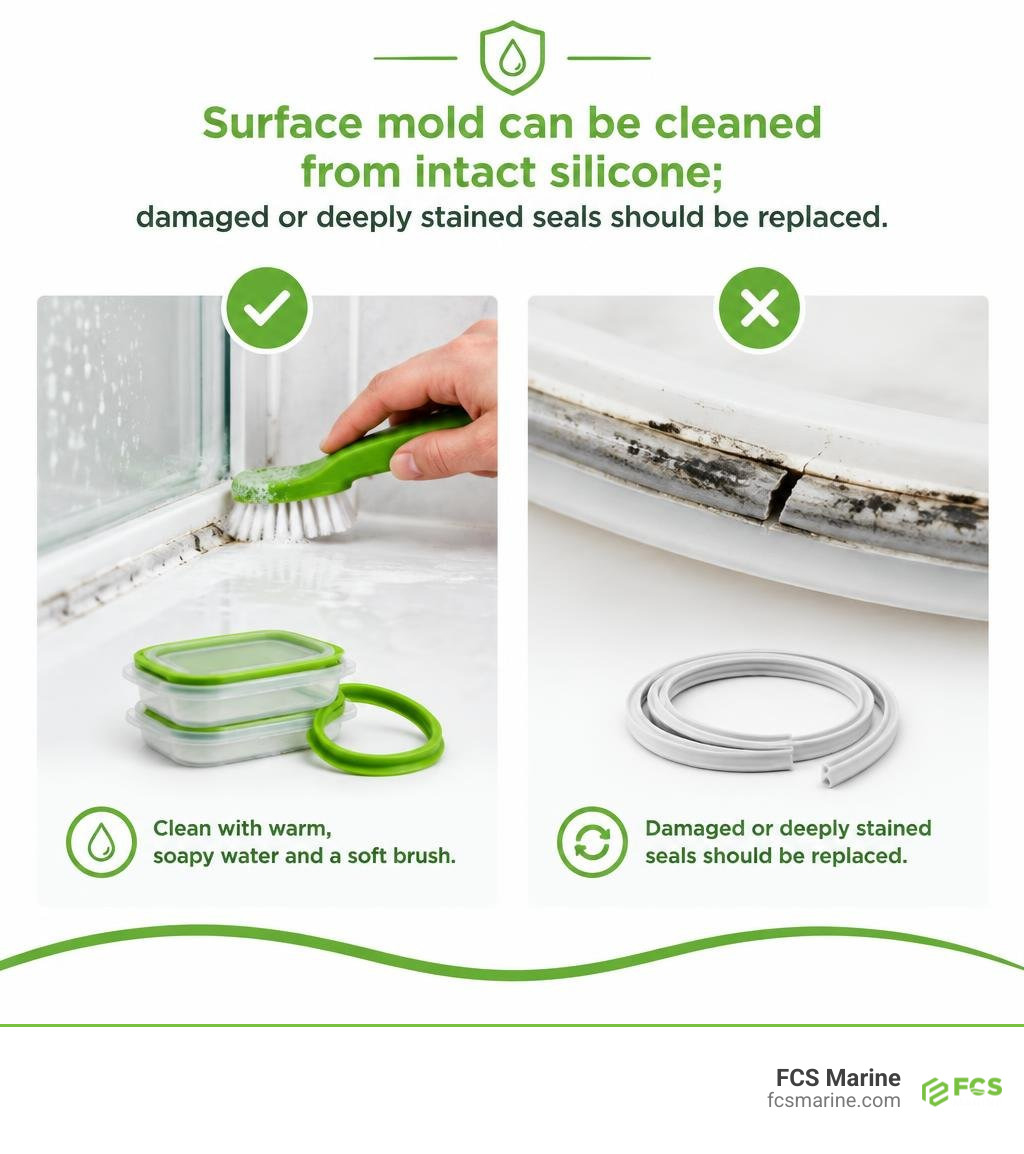
Best way to remove mold from silicone terms at a glance:
Surface Staining vs. Deep Growth: Assessing Silicone Damage
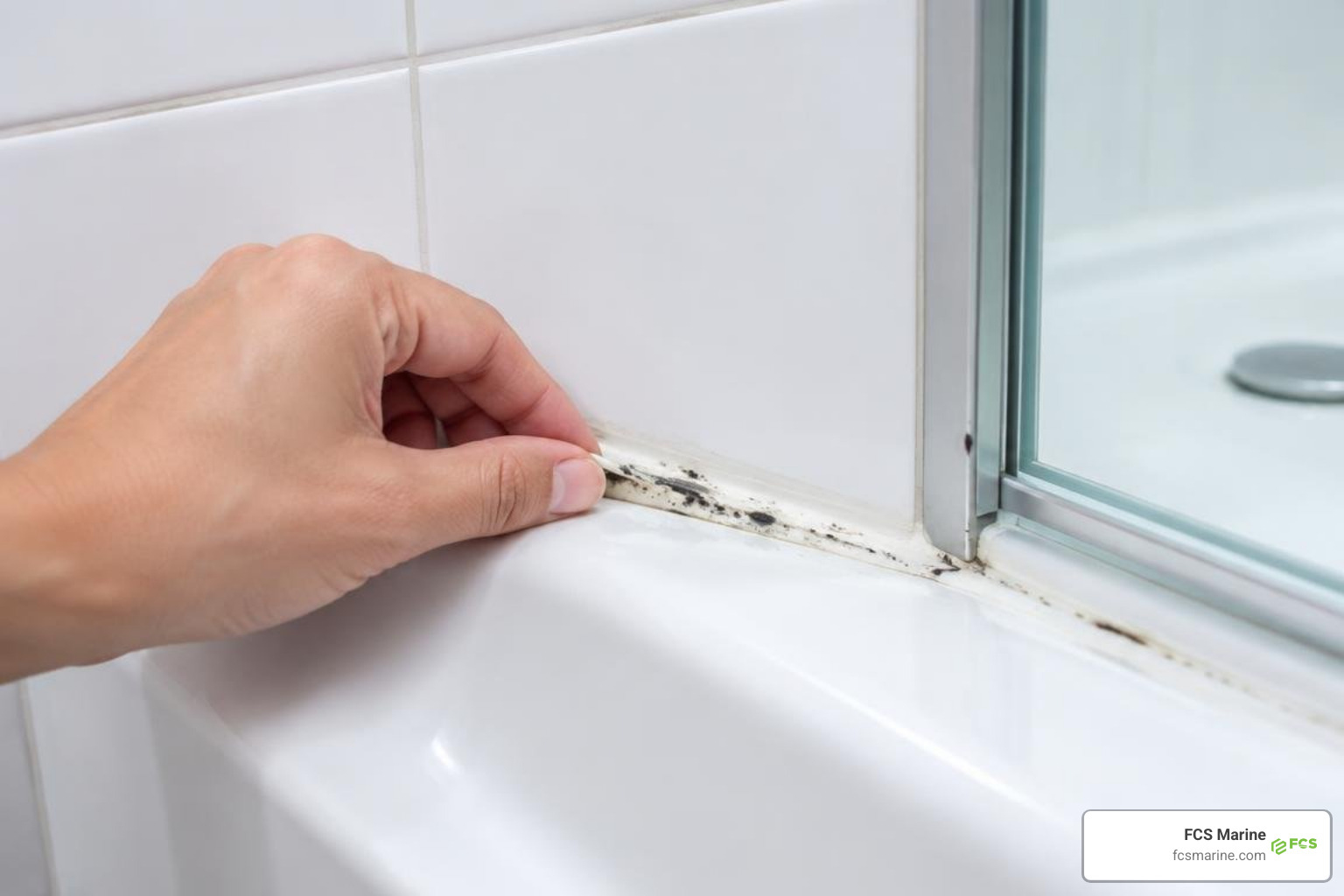
Before reaching for cleaning supplies, inspect the silicone carefully to determine where the fungal growth resides. Silicone rubber is valued for its flexibility, water resistance, and chemical stability, but it is not entirely immune to biological fouling. Over time, organic matter such as food residue, skin oils, and soap scum clings to the surface, creating a nutrient-rich biofilm.
There is a distinct difference between superficial fungal growth and embedded contamination. Distinguishing mildew vs mold begins with checking surface texture:
- Surface Staining: Mold spores establish colonies on the exterior biofilm. The underlying silicone remains smooth, pliable, and tightly adhered to its substrate. This growth wipes away or lightens significantly with mild acid treatments and gentle mechanical agitation.
- Deep Growth and Substrate Separation: As silicone ages, its built-in biocides deplete, and mechanical movement or UV exposure can cause micro-fissures. Moisture gets trapped behind or inside the bead. When hyphae penetrate through the material, black spotting appears embedded within the sealant itself, and scrubbing the surface yields no visible improvement.
Uncontrolled fungal growth in enclosed spaces can contribute to poor indoor air quality. Public health guidance, including resources on the health effects of indoor mold exposure from the Florida Department of Health, emphasizes the importance of promptly eliminating persistent moisture and microbial reservoirs to maintain healthy living quarters.
Removing Mold from Silicone Kitchenware and Food Containers
Silicone food storage lids, container gaskets, baking mats, and ice-cube trays frequently develop black spots when stored damp in dark cabinets. Because these items come into direct contact with food, safety is paramount. Strong industrial biocides must never be used on kitchenware.
| Item Type | Recommended Method | Key Ingredients | Avoid |
|---|---|---|---|
| Food Containers & Gaskets | Acid soak and soft agitation | Distilled white vinegar, warm water, dish soap | Concentrated chlorine bleach, harsh chemical sprays |
| Heat-Safe Bakeware | Thermal sanitizing / baking soda scrub | Boiling water (10 min) or oven heat (if rated), baking soda paste | Wire brushes, abrasive scouring pads, open flame |
| Bathroom & Marine Caulk | Topical oxidative compress | Mild mold cleaner, hydrogen peroxide, soft brush | Aggressive scraping with metal blades on intact caulk |
Vinegar Soaks for Cleaning Silicone Gaskets
Distilled white vinegar is an ideal home remedy for food-contact silicone. Its natural acidity (typically 5% acetic acid) penetrates fungal cell walls and dissolves stains without leaving toxic chemical residues.
- Disassemble: Remove the silicone gasket completely from the container lid groove using a blunt tool, such as the edge of a spoon, to avoid puncturing the elastomeric band.
- Submerge: Place the gasket in a container filled with equal parts distilled white vinegar and hot water. Allow it to soak for at least two to four hours. For severe staining, an overnight soak provides deeper penetration.
- Agitate: Scrub the gasket thoroughly with an old soft-bristled toothbrush or non-abrasive sponge. The mechanical friction lifts softened biofilm from tight corners.
- Rinse and Dry: Rinse thoroughly with warm running water. Air-dry the gasket on a clean rack until zero moisture remains before reinstalling it. Following safe kitchenware mold restoration methods helps preserve nonstick properties and elasticity.
Heat Sanitizing Silicone Bakeware
Food-grade silicone bakeware is engineered to withstand extreme temperatures, often rated from -40 °F up to 450–500 °F (-40 °C to 260 °C). When simple washing is not enough, thermal sanitization effectively neutralizes microbial spores.
- Boiling Method: Submerge heat-rated silicone molds in a pot of rolling boiling water for 10 minutes. This classic technique sanitizes the material thoroughly. Adding a tablespoon of baking soda to the boiling water can help neutralize trapped odors.
- Oven Method: After washing off surface debris, place oven-safe silicone on a clean baking sheet and warm it at 350 °F (177 °C) for roughly 10 to 15 minutes. Always check the manufacturer’s maximum temperature rating first.
- Stain Removal Paste: If pigments remain absorbed into the silicone, mix baking soda with a few drops of water to create a thick paste. Rub it gently over discolored areas, let it rest for 20 minutes, and rinse clean.
Treating Mold on Bathroom and Marine Silicone Sealants
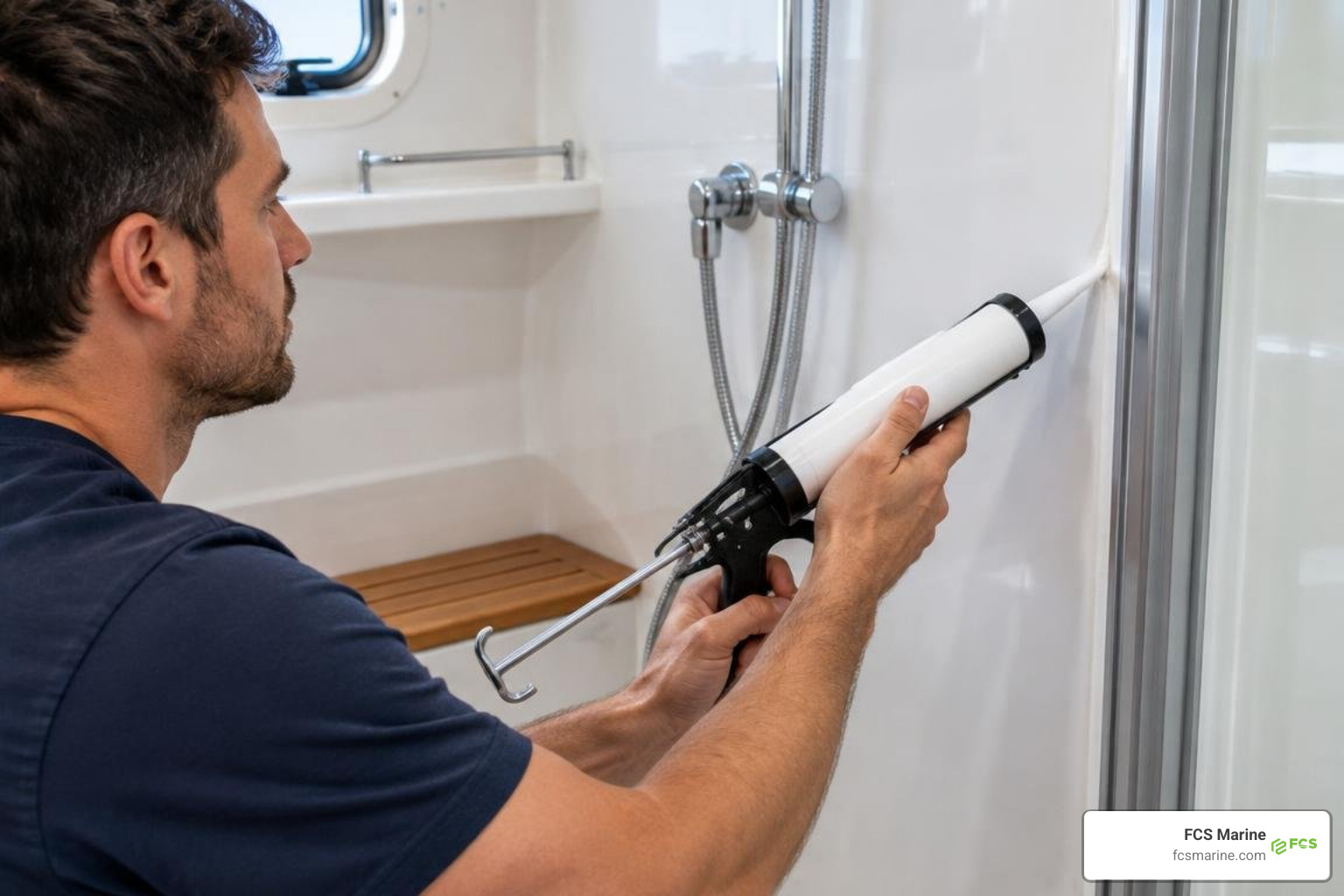
Marine environments in South Florida present severe challenges for structural silicone sealants. In yacht heads, galleys, and exterior window frames across coastal ports from Fort Lauderdale to Miami, constant humidity, salt air, and elevated temperatures foster rapid fungal proliferation.
When addressing shower sealant, understanding how to clean mildew in shower caulk ensures you clean the bead without breaking the watertight perimeter.
For surface mold on vertical caulking:
- Dry the area completely with a microfiber towel. Applying cleaners to dry surfaces prevents dilution.
- Soak cotton wool coils or paper towel strips in white vinegar or a gentle mold remover.
- Press the saturated compress directly against the moldy silicone joint so it stays in contact with the stain.
- Allow it to sit for several hours or overnight, then remove the compress, scrub lightly with a soft brush, rinse with fresh water, and towel dry.
Why Bleach and Harsh Chemicals May Fail on Sealants
While chlorine bleach is commonly used for household cleaning, it has notable limitations on silicone sealants:
- Superficial Action: Bleach is a strong oxidizer that rapidly strips the color from surface mold, making the bead look clean instantly. However, on non-porous or semi-porous silicone, it often fails to reach spores lodged in micro-crevices.
- Material Degradation: Frequent exposure to high concentrations of sodium hypochlorite breaks down the polymer chains of silicone over time, leaving it brittle, yellowed, and prone to cracking.
- Moisture Regrowth: Water-based bleach solutions evaporate, leaving behind moisture that can accelerate fungal return if ventilation is poor. Reviewing how to succeed at removing mould from silicone highlights why gentler, prolonged contact methods work better for routine upkeep.
When to Clean vs. When to Cut Out and Replace Silicone
Quality bathroom and marine silicone typically lasts 7 to 10 years before anti-mold additives deplete. Cleaning can only restore structural beads that remain firmly bonded.
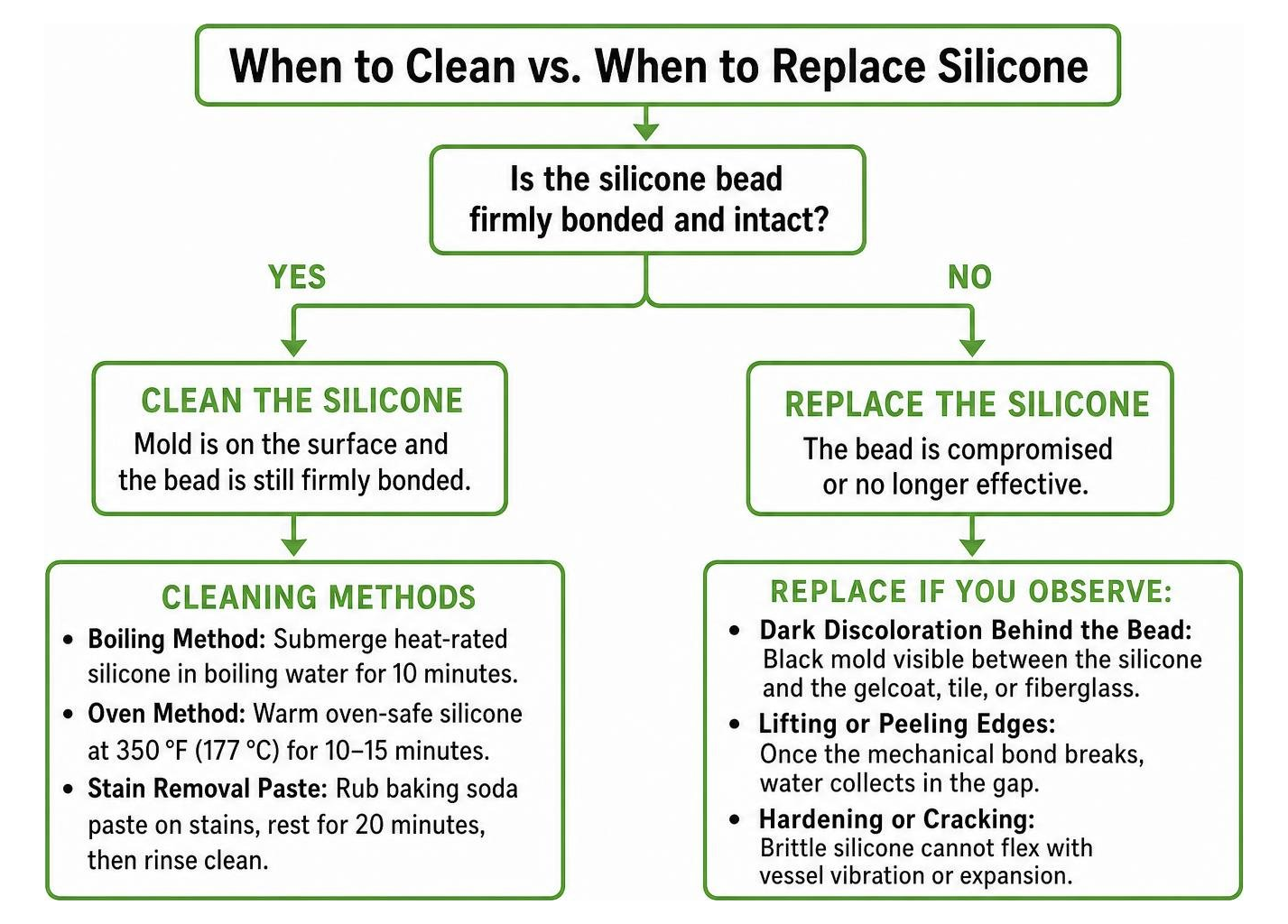
You should stop cleaning and completely replace the silicone if you observe:
- Dark Discoloration Behind the Bead: Black mold visible between the silicone and the gelcoat, tile, or fiberglass indicates water intrusion behind the seal.
- Lifting or Peeling Edges: Once the mechanical bond breaks, water collects in the gap, fostering hidden colonies.
- Hardening or Cracking: Brittle silicone cannot flex with vessel vibration or structural expansion.
When replacement is required, learn how to remove mouldy silicone in shower on a budget to slice away old sealant cleanly and apply an anti-fungal marine-grade replacement.
Prevention Strategies to Keep Silicone Mold-Free
Preventing fungal regrowth requires consistent moisture management:
- Squeegee and Dry: After every shower or washdown, pull moisture off walls and wipe down silicone seams with a dedicated cloth.
- Active Air Circulation: Run exhaust fans during and for at least 20 minutes after using heads or galleys. In vessels, maintaining balanced airflow via properly serviced marine AC systems prevents stagnant, high-humidity pockets.
- Gasket Ventilation: Store silicone food containers with lids off or slightly ajar so residual wash water evaporates fully.
- Regular Maintenance: Inspect caulked joints monthly, following practical shower caulk cleaning steps at the first sign of discoloration before colonies take root.
Frequently Asked Questions About Cleaning Silicone Mold
Is It Safe to Use Silicone Bakeware After It Had Mold?
Yes, provided the mold is thoroughly removed and the item is sanitized. Because food-grade silicone is non-porous when intact, washing with soap, soaking in vinegar, and sanitizing in boiling water or a preheated oven (within rated limits) destroys fungal spores. However, if the item is sticky, cracked, or degraded, replace it.
What Cleaning Solutions Should Be Avoided on Silicone?
Avoid industrial solvents (such as acetone, toluene, or xylene), concentrated chlorine bleach, and abrasive scourers like steel wool. These substances erode the smooth surface of the silicone, strip nonstick properties, and create micro-scratches where mold can lodge.
How Long Does Anti-Mold Bathroom and Marine Silicone Last?
Most premium anti-mold silicone sealants contain active fungicides that protect against fungal colonization for approximately 7 to 10 years under standard conditions. In hot, humid marine environments with constant salt spray and high use, these additives may deplete sooner, requiring joint inspection and replacement every 5 to 7 years.
Restoring and Protecting Your Marine and Home Silicone
Keeping silicone pristine requires the right balance of gentle cleaning, thorough drying, and timely replacement when seals lose structural integrity. To discover advanced detailing practices, learn how to clean silicone sealant like a pro on your vessel or home fixtures.
When recurring moisture, persistent mildew odors, or widespread joint deterioration affect your vessel, professional intervention ensures your yacht remains clean and seaworthy. FCS Marine provides mobile, on-site marine service throughout South Florida—traveling directly to your vessel at marinas, boat yards, and private docks across Palm Beach County, Broward County, Miami-Dade County, Martin County, and St. Lucie County.
Our technicians specialize in comprehensive yacht systems support, including marine mold remediation and sanitization, marine air conditioning repair, refrigeration maintenance, hull and pipe insulation, and water purification systems. Contact FCS Marine today to schedule mobile, on-site service and protect your vessel against South Florida’s challenging climate.