Why Finding the Right Marine Air Conditioning Technician Matters
A qualified marine air conditioning technician is not the same as a standard HVAC contractor — and on a yacht in South Florida’s heat and humidity, that difference matters more than most owners realize.
Quick answer for yacht and boat owners:
- A marine AC technician services seawater-cooled systems, refrigerant circuits, and electrical controls specific to vessels
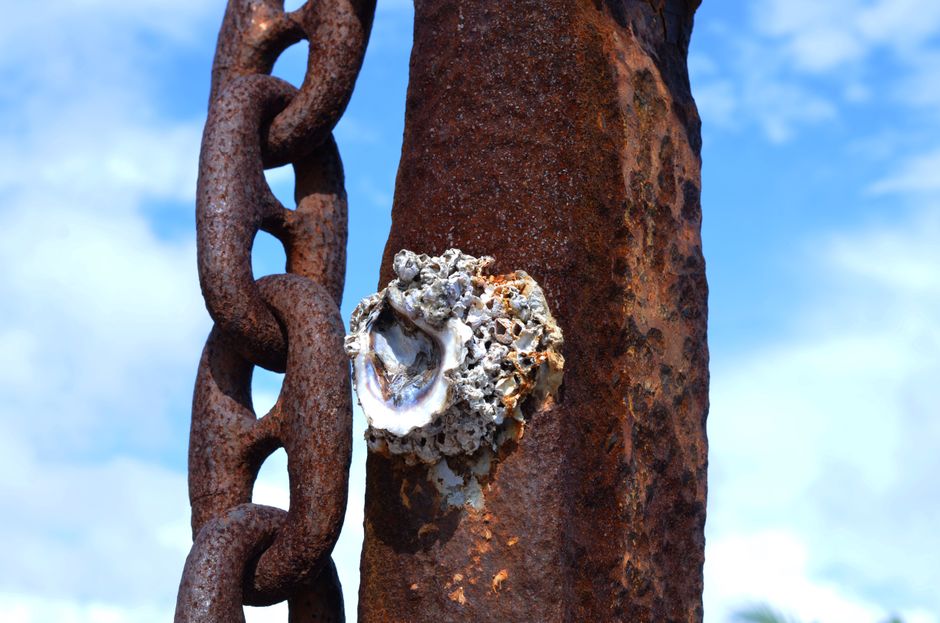
- Key certifications to look for: ABYC Air Conditioning & Refrigeration and EPA Section 608
- Marine AC systems require quarterly professional maintenance, especially in saltwater environments
- Signs you need a technician now: poor cooling, unusual noises, water leaks, or rising cabin humidity
- FCS Marine provides professional marine air conditioning service and comes directly to your vessel’s location across South Florida
South Florida is one of the most demanding marine environments on the planet. The combination of intense heat, coastal humidity, and saltwater exposure puts constant stress on onboard cooling systems. When an AC system fails on a 60-foot yacht sitting in Fort Lauderdale or Miami in July, it is not just a comfort issue — it affects electronics, cabinetry, upholstery, and the overall livability of the vessel.
The problem many owners run into is hiring the wrong person for the job. A residential or commercial HVAC technician may know refrigerant cycles, but they typically have no experience with seawater-cooled condensers, marine electrical systems, or the ABYC standards that govern vessel safety. That mismatch can turn a minor repair into a costly system failure.
This guide helps yacht owners, captains, and vessel operators understand exactly what to look for when hiring a certified marine AC technician — from the right credentials to the diagnostic skills that actually protect your investment.
Why You Need a Specialized Marine Air Conditioning Technician
The marine environment is incredibly harsh. Unlike land-based systems that reject heat into the outdoor air, marine air conditioning units use surrounding seawater to cool the refrigerant. This fundamental difference introduces a host of unique challenges that only a specialized marine air conditioning technician is equipped to handle.
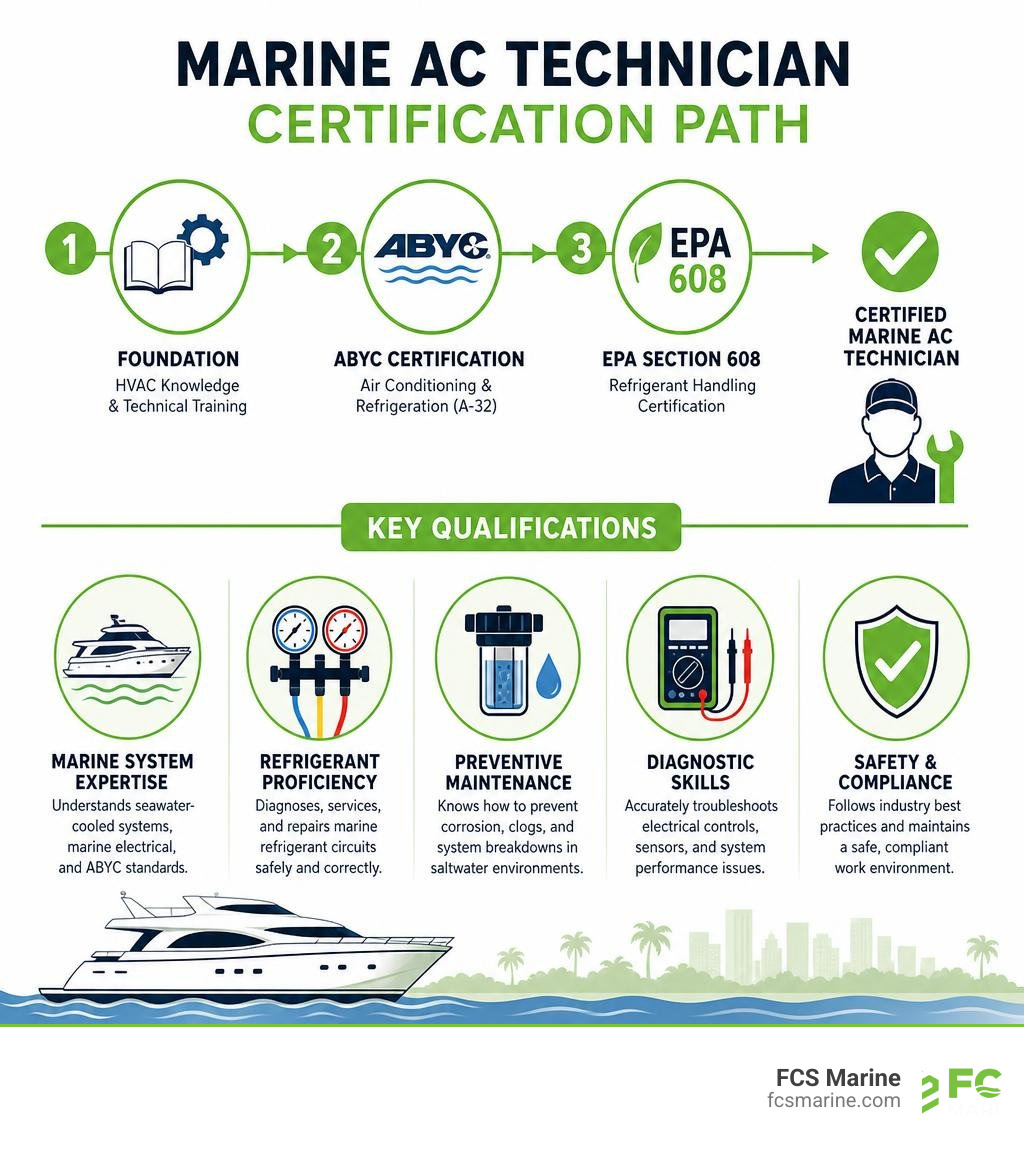
First, there is the issue of marine growth. Barnacles, algae, and debris constantly find their way into your raw water intake. Without proper care, this biological buildup restricts water flow, causing the system to overheat and shut down. A standard HVAC technician will not know how to safely clear a clogged sea strainer or use descaling chemicals to clean the internal copper-nickel (cupronickel) condenser coils.
Second, the combination of saltwater and electricity is a recipe for galvanic corrosion. Marine AC systems must be properly bonded to the vessel’s sacrificial anode system to prevent the metal components from dissolving over time. Additionally, condensation lines on boats often run through complex, gravity-defying routes to the bilge or a sump box. If these lines clog, water will back up directly into your yacht’s wood cabinetry, ruining expensive interiors and creating a breeding ground for mold.
When you invest in marine air conditioning services, you are paying for specialized knowledge of marine-grade materials, seawater pumps, and vessel plumbing.
Key Certifications and Qualifications to Look For
When searching for a qualified technician to step aboard your vessel, you should never rely on verbal promises alone. The marine industry has established strict standards to ensure safety and environmental compliance.
A professional technician should hold active certifications from the American Boat & Yacht Council (ABYC) and the Environmental Protection Agency (EPA). These credentials prove that the technician understands the complex intersection of marine electrical systems, plumbing, and refrigerant chemistry.
For example, look at the career paths of leading industry professionals. Experienced technicians like Rayees Mohammed possess decades of hands-on experience managing complex HVAC-R systems on offshore vessels, drilling rigs, and yachts. This level of expertise is built on a foundation of rigorous testing and compliance with international maritime safety codes.
To help you understand what standards your technician must follow, we have compiled the key ABYC guidelines below:
| ABYC Standard | System Focus | Why It Matters for Marine AC |
|---|---|---|
| E-11 | AC & DC Electrical Systems | Ensures the AC unit is safely wired, grounded, and bonded to prevent electrical shocks and galvanic corrosion. |
| A-6 | Refrigeration and Air Conditioning | Governs the design, installation, and placement of marine cooling systems and refrigerant lines. |
| H-22 | Electric Bilge Pump Systems | Regulates how condensate drain water is safely collected and pumped out of the vessel. |
| H-27 | Seacocks and Thru-Hull Fittings | Ensures the seawater intake and discharge valves are structurally sound and won’t sink the boat. |
ABYC Standards for a Marine Air Conditioning Technician
The American Boat & Yacht Council (ABYC) certification is the gold standard in the marine industry. To earn an ABYC Air Conditioning & Refrigeration certification, a technician must pass a rigorous, timed exam consisting of 176 questions with a minimum passing score of 84% within a 3.5-hour limit.
This exam is not just about cooling theory; it tests the technician’s deep understanding of vessel safety. They must prove their competency in:
- E-11 Electrical Standards: Ensuring that high-voltage AC electrical connections are completely isolated from DC control circuits and wet environments.
- A-6 Refrigeration Standards: Proper placement of heavy compressors to maintain vessel stability and prevent refrigerant gas leaks into living spaces.
- H-22 & H-27 Plumbing Standards: Installing reliable seacocks and thru-hull fittings to handle seawater intake without risking water intrusion.
EPA Section 608 and Environmental Compliance
Under Section 608 of the Clean Air Act (governed by 40 CFR environmental protection regulations), any technician who opens a refrigerant circuit must hold an EPA Section 608 Certification. This is a legal requirement across the United States, including Florida.
Marine AC units use pressurized chemical refrigerants that can damage the ozone layer if released. A certified marine air conditioning technician must use specialized recovery equipment to capture old refrigerant rather than venting it into the atmosphere.
Highly qualified international technicians, such as Mahammad Nadeem, maintain strict compliance with these environmental protocols while servicing offshore support vessels and yachts. When hiring a technician, always verify that they carry their EPA card and follow proper recovery and leak-testing procedures before recharging any system.
Common Marine AC Problems and Diagnostic Procedures
Even the most advanced marine climate systems will eventually experience issues due to the harsh South Florida climate. Knowing what to expect can help you catch problems before they ruin a weekend cruise in Fort Lauderdale or Pompano Beach.
If your boat air conditioning stops cooling, a certified technician will follow a systematic diagnostic process rather than simply guessing. They will inspect electrical connections, measure air temperature differentials, check refrigerant pressures, and verify proper water flow.
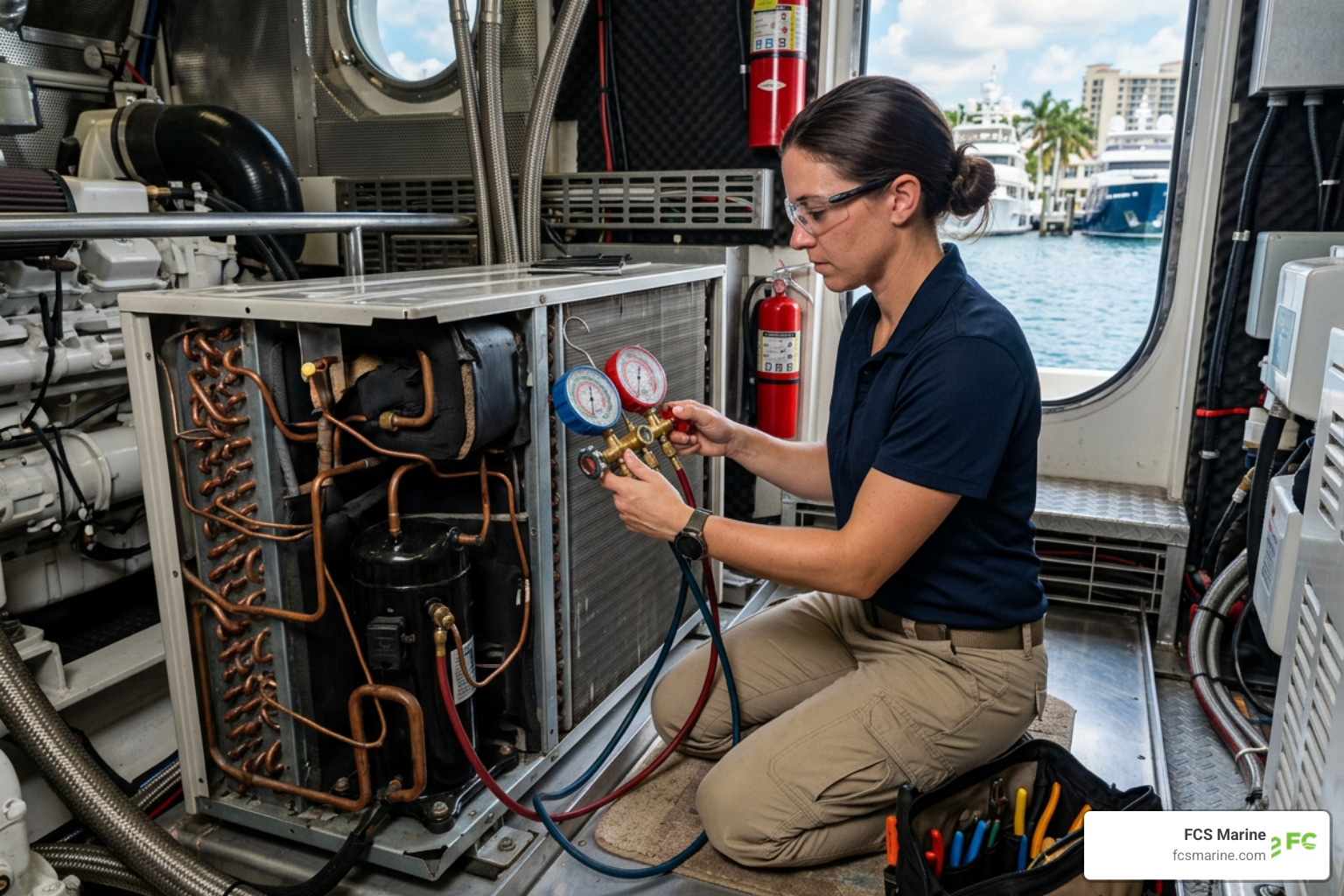
Understanding how marine AC service works can give you peace of mind during the repair process. The technician will first measure the temperature split between the return air duct and the discharge vent. A healthy system should show a drop of 15°F to 20°F. If the air is warm, the technician will hook up manifold gauges to check the high- and low-side pressures of the refrigerant loop, looking for leaks or compressor wear.
Troubleshooting Seawater Circulation and Airflow Issues
The single most common cause of marine AC failure is a lack of seawater flow. When water stops moving through the condenser, the refrigerant pressures skyrocket, and the system’s high-pressure switch shuts down the compressor to prevent a total blowout.
A technician will check:
- The Sea Strainer: Inspecting for accumulated seaweed, jellyfish, or plastic debris.
- Airlocks: If the vessel has been running at high speeds or hauled out of the water, air can get trapped in the seawater pump, preventing it from priming.
- Ductwork Restrictions: Tight bends in flexible ducting or dirty return air filters restrict airflow, causing the evaporator coils to freeze over.
If your cabin is smelling musty or the system is struggling, it is a clear sign that your yacht AC system needs cleaning to remove dust, mold, and biological growth from the air path.
Electrical and Control Board Diagnostics
Modern marine air conditioning systems rely on sophisticated electronics. Many larger yachts utilize Programmable Logic Controllers (PLC) and Human-Machine Interfaces (HMI) to automate climate zones across multiple cabins.
When a digital display shows an error code, a technician must be skilled in reading wiring diagrams and diagnosing printed circuit boards (PCBs). Experienced marine HVAC professionals, such as Greg Gregorio, have spent years troubleshooting automated climate controls, fire dampers, and safety sensors on commercial cruise ships and offshore platforms.
A qualified technician can isolate whether a problem is a simple blown fuse, a failed capacitor, a faulty temperature sensor, or a damaged control board, saving you from replacing an entire system unnecessarily.
Marine AC Systems vs. Residential HVAC: The Key Differences
It is easy to assume that air conditioning is the same whether it is in a house or on a boat, but the engineering is completely different.
First, let’s look at system types. While residential homes use air-to-air split systems, yachts typically use one of three marine-specific designs:
- Self-Contained Units: All components (compressor, evaporator, and seawater condenser) are mounted on a single small chassis, ideal for boats up to 40 feet.
- Split-Gas Systems: The noisy compressor and condenser are located in the engine room, while the quiet air handlers are placed in the living spaces.
- Chilled Water Systems: Common on yachts over 80 feet, these systems circulate cold fresh water through a closed loop to air handlers throughout the vessel.
Understanding the differences between chilled water vs self-contained AC systems is crucial when planning an upgrade or repair.
Furthermore, South Florida’s extreme humidity means that a marine system must act as a powerful dehumidifier. If your system is not sized correctly or lacks proper insulation, condensation will form on the outside of the ductwork, dripping onto your headliner. Knowing how to stop your yacht from turning into a floating sauna requires a marine professional who understands how to balance airflow, sensible heat, and latent heat removal in a highly humid coastal environment.
Preventive Maintenance and Professional Service Schedules
The best way to avoid a mid-summer cooling emergency is to stick to a strict maintenance schedule. Because marine systems run almost continuously in Florida, they accumulate wear and tear much faster than land-based systems.
Following a detailed marine AC maintenance checklist is your best defense against unexpected breakdowns. We recommend that boat owners perform basic tasks monthly, while scheduling professional service on a quarterly basis.
During a quarterly visit, a certified technician will perform:
- Coil Descaling: Flushing the cupronickel condenser coils with an environmentally safe acid solution to dissolve barnacles, scale, and marine growth.
- Condensate Line Cleaning: Clearing the drain pans and blowing out the lines to prevent water damage and mold growth.
- Electrical Inspections: Tightening loose terminals, checking for corrosion on wiring, and testing capacitor health.
- Sacrificial Anode Replacement: Checking and replacing any zinc anodes inside the air conditioning heat exchangers to prevent galvanic corrosion.
Frequently Asked Questions About Marine AC Systems
How Often Should a Marine Air Conditioning Technician Service My Yacht?
In South Florida, we highly recommend scheduling professional maintenance every three months (quarterly). The warm tropical waters of Palm Beach, Broward, and Miami-Dade counties promote rapid marine growth inside your seawater plumbing. Quarterly flushing, coil descaling, and electrical checks ensure your system runs at peak efficiency and prevents sudden failures during the hottest summer months.
What are the signs that my boat’s AC system needs professional repair?
You should contact a technician if you notice any of the following warning signs:
- Weak Airflow or Warm Air: The system is running, but the cabin temperature is not dropping.
- The “HPF” (High-Pressure Fault) Error: This indicates a block in your seawater cooling loop, which will cause the system to shut down.
- Water in the Bilge or Cabin: A clogged condensate drain can cause water to pool under your berths or behind wooden panels.
- Strange Noises: Clicking, squealing, or heavy vibration from the compressor or blower motor.
Can I use a residential HVAC technician to fix my boat’s air conditioning?
We strongly advise against this. Residential technicians are not trained in ABYC marine electrical standards (E-11), nor do they understand marine plumbing, raw water pumps, or bonding systems. Using a non-marine technician can result in dangerous electrical wiring, accelerated galvanic corrosion that destroys your thru-hull fittings, or voided equipment warranties.
Conclusion
Your yacht is a significant investment, and its air conditioning system is vital to preserving its comfort, safety, and value. When you need a certified marine air conditioning technician, trust the team at FCS Marine.
We are a family-owned South Florida company specializing in complete yacht maintenance. Our highly skilled technicians provide fast, on-site mobile marine service directly to your private dock, marina, or boatyard. We proudly serve vessel owners, captains, and marine operators across Palm Beach County, Broward County, Miami-Dade County, Martin County, St. Lucie County, Fort Lauderdale, and Pompano Beach FL.
Whether you need routine quarterly maintenance, emergency troubleshooting, or a complete chilled water system upgrade, we back our work with a comprehensive satisfaction guarantee. We also offer professional marine refrigeration repair, yacht insulation, mold remediation, and watermaker services to keep your vessel in pristine condition.
Don’t let South Florida’s heat compromise your time on the water. Schedule professional marine air conditioning service with FCS Marine today, and let us bring our specialized expertise directly to your vessel.